Trends
Commercial Plumbing Guide for Property Managers
By Timely Updates
November 25, 2026
Field Notes
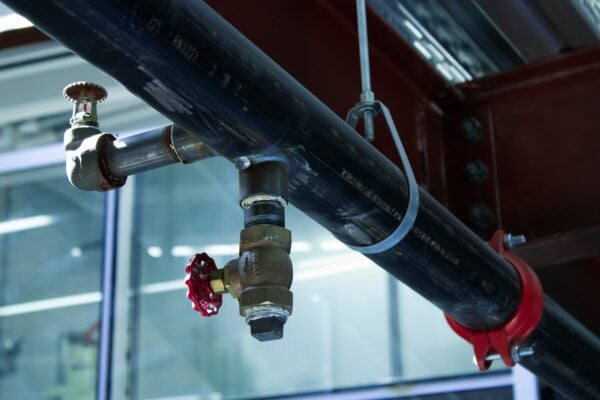
What Every Property Manager Should Know About Commercial Plumbing
Property managers wear a lot of hats. You handle tenant relations, budgets, vendor contracts, inspections, and the hundred small problems that come up every week. Plumbing tends to stay in the background until something goes wrong. Then it becomes the most urgent issue in the building.
A burst pipe can flood several units or office suites at once. A sewer backup can force tenants out of their space. A failed water heater can trigger a wave of complaints before lunch. Commercial plumbing problems affect more people, cost more to fix, and carry more liability than residential ones, which is why understanding your building’s system is one of the most valuable things a property manager can do.
Commercial Plumbing Is Not Just Bigger Residential Plumbing
It’s easy to assume a commercial system is simply a larger version of what you’d find in a house. In reality, commercial buildings have different demands, components, and code requirements.
Key differences include:
- Higher usage: More occupants and fixtures mean more water flow, more wear, and less margin for error.
- Larger, more complex piping: Multi-story buildings rely on pressure systems, larger supply and drain lines, and often multiple risers.
- Shared systems: One clog or leak can affect several tenants, not just one household.
- Specialized equipment: Booster pumps, commercial water heaters, backflow preventers, and grease interceptors require trained technicians.
- Stricter regulations: Commercial properties are subject to codes and inspection requirements that residential homes typically are not.
Knowing these differences helps you budget realistically and choose the right service partners.
Know Your Building’s Plumbing Layout
One of the simplest ways to reduce damage during an emergency is knowing where everything is before you need it. Every property manager should be able to locate:
- The main water shutoff valve for the building
- Shutoff valves for individual floors, units, or zones
- Water heaters and boilers
- Backflow prevention devices
- Sewer cleanouts
- Sump pumps or ejector pumps, if your building has them
Keep an updated map or document showing these locations, and make sure maintenance staff and on-site personnel have access to it. If you’ve taken over a property without plumbing records, a professional inspection can help you build that documentation from scratch.
Make Preventive Maintenance a Line Item
Reactive plumbing repairs are almost always more expensive than planned maintenance. Emergency calls often come with after-hours rates, and the damage from a failure, including flooring, drywall, tenant property, and lost business, can far exceed the cost of the repair itself.
A solid preventive maintenance plan for a commercial property usually includes:
- Drain cleaning: Routine cleaning of main lines and high-use drains keeps buildup from turning into backups.
- Camera inspections: Video inspections show the condition of sewer and drain lines, including cracks, root intrusion, and sagging sections.
- Water heater service: Flushing sediment, testing relief valves, and checking components extends equipment life.
- Fixture checks: Inspecting faucets, toilets, and valves for leaks and wear.
- Pump testing: Making sure sump, ejector, and booster pumps work before you rely on them.
Building these services into your annual budget makes costs more predictable and gives you a stronger case when presenting expenses to owners.
Stay on Top of Compliance
Commercial plumbing comes with compliance responsibilities that can’t be ignored. Requirements vary by jurisdiction, but property managers commonly need to address:
- Backflow testing: Many local water authorities require backflow prevention devices to be tested by a certified tester on a regular schedule, often annually.
- Grease interceptor maintenance: Properties with restaurants or food service tenants may need to follow local rules for grease trap cleaning and record-keeping.
- Water heater and boiler inspections: Some equipment may require periodic inspection under local codes.
- Accessibility standards: Restroom fixtures may need to meet accessibility requirements during renovations or upgrades.
Keep copies of all test reports, service records, and permits. Organized documentation makes inspections smoother and protects you if questions come up later.
Address Tenant Plumbing Issues Quickly
Tenants are often the first to notice a plumbing problem, and how you respond affects both the building and your relationships. A slow drain in one unit may be an early sign of a main line issue that will soon affect everyone.
To manage tenant plumbing concerns effectively:
- Make it easy for tenants to report issues through a clear maintenance request process.
- Encourage tenants to report leaks, odors, low water pressure, and slow drains right away.
- Clarify in lease agreements which plumbing responsibilities belong to tenants and which belong to ownership.
- Share simple guidelines about what shouldn’t go down drains or toilets, especially in shared buildings.
Fast responses to small complaints prevent larger, more expensive problems and show tenants their concerns are taken seriously.
Watch for Early Warning Signs
Most major plumbing failures give some warning first. Train maintenance staff to look for:
- Water stains on ceilings or walls
- Unexplained increases in water bills
- Low or fluctuating water pressure
- Gurgling drains or sewer odors
- Rust, corrosion, or moisture around pipes and equipment
- Recurring clogs in the same area
Any of these can point to hidden leaks, pipe deterioration, or developing blockages that are far easier to fix early.
Plan for Aging Infrastructure
Pipes and equipment don’t last forever. Older buildings may still have galvanized steel, cast iron, or other piping materials that corrode or deteriorate over time. If your property has frequent leaks, discolored water, or repeated drain problems, it may be time to evaluate whether repairs still make sense or whether repiping or line replacement is the better long-term investment.
Planning these projects ahead lets you schedule work around tenants, phase costs over time, and avoid being forced into emergency replacement.
Build an Emergency Response Plan
Even well-maintained systems can fail. A clear plan reduces damage and downtime:
- Keep shutoff locations documented and accessible.
- Have a commercial plumber with emergency availability on call.
- Establish a process for notifying affected tenants.
- Keep basic supplies, such as wet vacs and water barriers, on site when practical.
- Document damage with photos for insurance purposes.
Choose the Right Plumbing Partner
The right commercial plumbing professional can be one of your most valuable vendors. Look for a company with commercial experience, proper licensing and insurance, emergency availability, and the ability to handle both routine maintenance and major projects.
When plumbing is managed proactively, it stays in the background where it belongs, and you can focus on keeping your property running smoothly and your tenants satisfied.