Trends
7 Things to Check Before Your EV Charger Installation
By Timely Updates
November 20, 2026
Field Notes
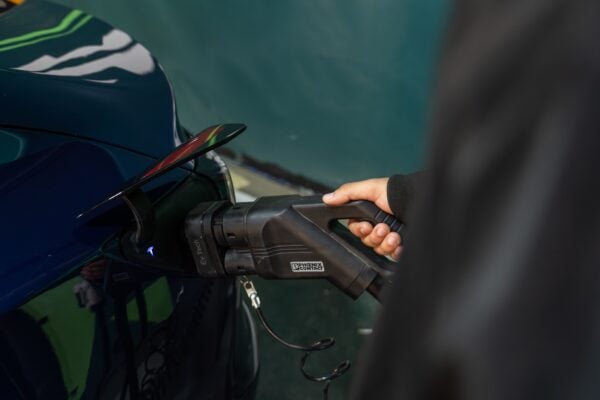
Bringing home an electric vehicle is exciting, and charging it in your own driveway or garage is a big part of the appeal. Waking up to a full battery beats stopping at a station on the way to work. But a smooth EV charger installation depends on decisions you make well before anyone runs a wire, and a few early checks can save you time, money, and frustration.
Most delays come from surprises: a panel with no spare capacity, a parking spot far from the electrical box, or a permit nobody mentioned. The seven checks below cover what to look at first, so your project starts with fewer unknowns and you walk into the conversation with a licensed electrician better prepared.
Start With What Your Home Already Has
1. Your Electrical Panel Capacity
Every circuit in your home draws from the main electrical panel, and that panel has a limit. A home charger is a large load that can run for hours at a stretch, so it matters whether your panel can support one more dedicated circuit on top of everything else you already use.
Older homes, and homes that have added big appliances over the years, are the most likely to run tight. If the panel is full or undersized, the fix might be a panel upgrade or a load management device that balances power between the charger and other appliances. Either way, it is far better to learn this before you buy equipment.
2. Open Breaker Space and Wiring Condition
Capacity is only half the story. A new circuit also needs a physical slot in the panel and a safe path for the wire to travel. Take a look at your panel’s labels and note whether there is visible room, but leave the cover on. Opening a panel is a job for a licensed electrician.
Outdated, damaged, or poorly labeled wiring usually needs attention before anything new is added. EV charging should also get its own dedicated circuit. Sharing a circuit with other loads can trip breakers repeatedly and create safety risks.
Pick the Right Charger and the Right Spot
3. Charging Level and Speed
Level 1 charging uses a standard household outlet. It works in a pinch, but it adds range slowly. Level 2 charging uses a 240-volt circuit and is much faster, which is why most owners choose it for everyday use.
Think about how far you drive each day and how long the car sits parked overnight. Also check what your vehicle can actually accept. A charger that is faster than your car’s onboard system will not charge it any faster, so buying more than you need only adds cost.
4. Parking Location and Cable Reach
The closer your parking spot is to the electrical panel, the shorter the wire run, which usually means lower labor and material costs. If you have a choice between two spots, ask your electrician which one is simpler to wire.
Then measure cable reach. Stand where the charge port sits when you park normally, then measure back to the proposed mounting spot. Consider every vehicle that will use the charger and whether you ever park in a different position. A cable stretched across a walkway is a trip hazard and wears out faster.
5. Indoor or Outdoor Placement
A garage wall is the easiest and best-protected option. Driveway and exterior installations are possible, but they need weather-rated equipment, proper mounting, and thought about rain, snow, sprinklers, and direct sun. Also plan where the cable rests when the charger is not in use. Keeping it off the ground extends its life and keeps it clear of lawn equipment and foot traffic.
Handle Permits, Rates, and Incentives
6. Permits and Inspection
Most areas require a permit to add a dedicated circuit, followed by an inspection once the work is done. Rules vary by city and county, and homeowners associations or landlords may have their own approval steps. A licensed electrician is typically familiar with the local process and can handle the paperwork.
Skipping the permit might seem like a shortcut, but unpermitted electrical work can complicate insurance claims, cause problems when you sell the home, and leave safety issues undetected.
7. Utility Programs and Rates
Many utilities offer lower overnight electricity rates, and some provide rebates or other incentives for home chargers. Programs and eligibility vary widely, so check your utility’s website or customer service line before you buy equipment. Also ask whether charging at certain hours could lower your monthly bill. Knowing the rate structure early helps you decide when to charge and whether a charger with scheduling features is worth having.
Questions to Ask Before You Hire an Installer
Once the checks above are done, you are ready to collect quotes. These questions help you compare bids fairly:
- Are you licensed and insured for residential electrical work in my area?
- Will you assess my panel and calculate the electrical load before quoting?
- Does the quote include the permit, inspection, materials, and the charger itself?
- What brand and model do you recommend, and what warranty comes with it?
- What happens to the price if my panel needs an upgrade?
Ask for the quote in writing, with every line item listed. Two bids that look different on the surface often cover different scopes of work, and a detailed breakdown makes comparing them much easier.
A Practical Wrap-Up
A good EV charger installation comes down to preparation. Check your panel capacity and wiring, choose a charger level that fits how you drive, pick a spot with a short wire run and enough cable reach, confirm permit requirements, and look into utility rates and incentives. None of this takes long, and all of it makes the actual installation smoother.
Because the work involves a high-voltage circuit and a continuous electrical load, it is not a good place for guesswork or do-it-yourself shortcuts. A licensed electrician can confirm what your home can support, pull the right permits, and make sure the finished work is safe. Go in with these seven checks done, and charging at home will be one of the easiest parts of owning an EV.