
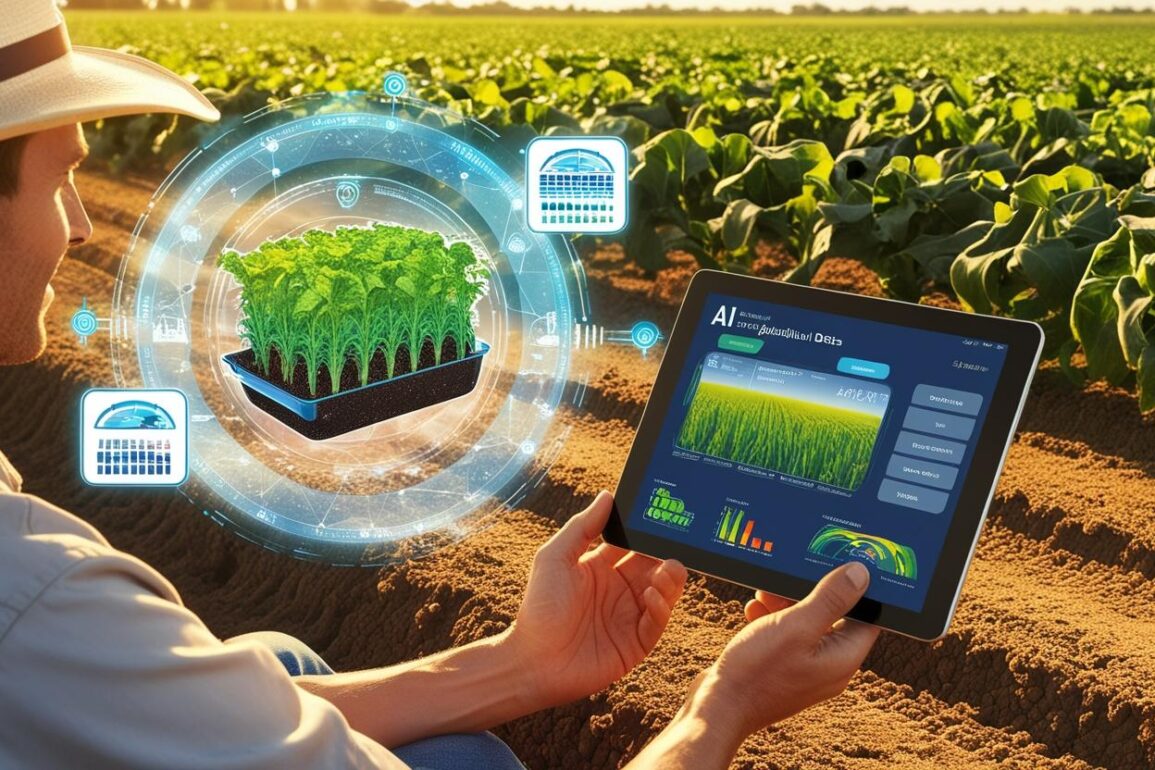

Modern agriculture faces a unique set of challenges: balancing yield maximization with resource conservation, adapting to unpredictable weather patterns, and meeting the demands of a growing population. Farmers must handle many moving parts—from monitoring crop health and managing irrigation to coordinating the logistics of getting fresh produce to market. Neuroclone’s AI assistant supports these tasks by providing a supportive layer of automation, allowing farmers to focus on strategic decisions and sustainable practices.
Key Challenges in Contemporary Farming
- Crop Monitoring and Field Management
Keeping track of plant health, soil conditions, and growth cycles involves ongoing observation and data collection. Missing early signs of pest infestation or nutrient deficiencies can lead to reduced yields. Manual monitoring requires significant effort, especially for large-scale operations. - Irrigation and Water Conservation
Over-irrigation wastes water and may harm plant roots, while under-irrigation can stress or even destroy crops. Identifying the right balance becomes trickier as weather conditions vary. Ensuring adequate hydration without harming the environment is a delicate but essential task. - Equipment Maintenance
Tractors, harvesters, and irrigation systems demand regular upkeep. Mechanical failures at peak growing or harvest times can lead to lost productivity and reduced profits. Scheduling maintenance often relies on manual logs or staff observations, leaving room for errors or delays. - Supply Chain Coordination
Transporting perishable goods to markets or distribution centers on time requires careful planning. Any delay—due to issues like logistical bottlenecks or inaccurate delivery schedules—can result in spoiled produce and a financial hit to farmers. - Regulatory Compliance
Modern farms must adhere to various regulations, including pesticide usage, organic certifications, and environmental protections. Failing to comply can lead to fines, restricted markets, or reputational damage.
How Neuroclone’s AI Assistant Helps
- Automated Crop Data Organization
Neuroclone’s AI assistant assists in tracking and organizing data—such as soil readings, weather predictions, and observed crop conditions—into a central platform. This broad view helps farmers compare field performance over time and identify trouble spots early. Instead of relying on spreadsheets or manual notes, growers have quick access to vital information in one place. - Irrigation Scheduling
By analyzing factors like weather forecasts, soil moisture levels, and historical water usage, the AI assistant can suggest when and how much to irrigate. While it doesn’t replace professional agronomic advice, it provides a useful starting point to help farmers optimize water usage, improving both crop yield and environmental stewardship. - Equipment Maintenance Reminders
The AI assistant can log usage patterns of machinery—like tractors or combine harvesters—and calculate when they may need routine servicing. This proactive approach prevents unexpected downtime in key seasons, ensuring that broken equipment doesn’t derail harvest schedules. - Logistics and Delivery Optimization
Neuroclone’s AI assistant helps coordinate delivery schedules, offering basic route suggestions and timing alerts. By tracking shipments in real time, farmers can keep customers and distributors updated on the status of deliveries. Streamlined logistics reduce waste, maintain product freshness, and protect a farm’s bottom line. - Regulatory Tracking
With numerous regulations governing pesticide applications, organic certifications, and environmental impact, staying compliant can be a challenge. Neuroclone’s AI assistant can send reminders for inspection dates or renewal deadlines, and keep records of chemical usage or audit trails in an organized repository.
Benefits for Farmers
- Better Resource Allocation: Automated data logging and reminders help ensure water, pesticides, and fertilizers are used efficiently, saving money and reducing environmental harm.
- Proactive Issue Detection: By consolidating crop health data, farmers can detect early signs of disease or nutrient deficiency, applying solutions before problems become severe.
- Consistent Equipment Uptime: Predictive maintenance cuts down on costly breakdowns, allowing for smoother planting, cultivating, and harvesting cycles.
- Reduced Administrative Load: Automated tasks and centralized records free farmers to focus on strategic planning—like choosing the best varieties to plant or exploring new revenue streams.
- Improved Market Responsiveness: With real-time logistics data, farmers can better align production and delivery with demand, helping reduce spoilage and maximize profits.

Conclusion
Agriculture has always been about balancing multiple variables—from weather and pests to resource availability and market dynamics. Neuroclone’s AI assistant takes on routine aspects of data organization, scheduling, and logistics, allowing farmers to devote more energy to strategic problem-solving and sustainable growth. While human expertise and local knowledge remain central to successful farming, AI-driven support helps modernize operations, making them more resilient in the face of evolving challenges.
Improve agricultural efficiency with Neuroclone’s AI assistant. Visit Neuroclone’s website today.