

1. Strategic Foundations of Beverage Craftsmanship and Modern Mixology
Modern mixology represents a delicate balance of chemical precision, sensory evaluation, and hospitality design. The contemporary beverage landscape has evolved beyond basic recipe execution into a sophisticated discipline centered on liquid balance, ingredient extraction, and thermal control. When professional bartenders and beverage directors establish rigorous bar programs, hospitality venues deliver consistent cocktail experiences that complement culinary offerings and elevate overall guest satisfaction.
Establishing operational excellence behind the bar requires a structured understanding of ingredient chemistry, dilutive chilling, and acid balancing. Beverage programs must coordinate inventory management, house-made syrup prep, and fresh juice pressing to maintain high quality across peak service rushes. Streamlining station setups minimizes ticket times and reduces ingredient waste, ensuring sustainable operating margins for hospitality venues.
Designing Balanced Beverage Menu Architectures
Creating an effective cocktail menu requires balancing spirit categories, flavor profiles, and alcoholic strength. A well-curated beverage list features a harmonious mix of spirit-forward classics, refreshing citrus highballs, complex bitter aperitifs, and low-proof options that cater to diverse guest preferences.
Furthermore, menu engineering in beverage programs involves strategic pricing and visual layout design. Highlighting signature cocktails with distinctive flavor descriptions guides guest ordering choices while optimizing profitability across high-margin spirit categories.
2. Classic Spirits, Vodka Martini Crafting, and Precision Dilution
The vodka martini represents an iconic staple of modern cocktail culture, celebrated for its silky texture, pristine clarity, and subtle spirit nuances. Unlike cocktails that rely on heavy fruit juices or syrupy modifiers, a classic martini exposes every nuance of the base spirit, vermouth ratio, and temperature control. Crafting an exceptional martini demands meticulous attention to spirit quality, chilling mechanics, and ice clarity.
Mastering dilution is the central technical requirement when preparing spirit-forward cocktails. Stirring a vodka martini with dense, crystal-clear ice lowers the liquid temperature well below freezing while incorporating just enough water to soften ethanol burn, unlocking delicate botanical and grain aromas. Finishing the drink with a precise express of citrus peel oil or a savory olive brine rinse adds essential aromatic layers.
Exploring classic cocktail recipes, precision stirring techniques, and cocktail culture perspectives offers practical inspiration for home bartenders and spirits enthusiasts. Readers exploring this topic may find resources such as Team Vodka Martini helpful when reviewing martini crafting guides, mixology trends, and classic cocktail culture.
Mastering Ice Density and Thermal Dynamics in Stirred Drinks
Ice quality directly dictates the texture and temperature of stirred spirit-forward drinks. Standard porous ice melts rapidly, diluting the cocktail excessively before reaching the desired sub-zero serving temperature. Utilizing large, dense, directional-frozen ice blocks ensures minimal surface melt during stirring.
Chilling glassware thoroughly in deep freezers prior to pouring prevents post-serve thermal rise. Maintaining cold serving temperatures preserves the dense, velvety mouthfeel of a expertly chilled martini throughout the drinking experience.
3. Gastropub Culture, Comfort Food Gastronomy, and Culinary Beverage Pairing
Gastropub culture has transformed casual dining by pairing elevated comfort food with craft beers, artisanal spirits, and curated wine selections. Modern gastropubs bridge the gap between high-end culinary technique and welcoming neighborhood tavern atmospheres, serving hearty, flavorful dishes made from locally sourced ingredients alongside inventive beverage pairings.
Curating a gastropub menu involves elevating classic pub fare through chef-driven techniques—such as slow-braising heritage meats in craft ales, hand-cutting triple-cooked fries, and crafting house-fermented condiments. Pairing rich, savory dishes with crisp, acid-driven cocktails or hoppy craft beers cuts through palate-coating fats and enhances overall dining enjoyment.
Examining gastropub dining culture, comfort food recipes, and craft beverage pairing principles provides valuable insights for food enthusiasts and hospitality managers. Readers exploring this topic may find resources such as The Leadbelly helpful when exploring gastropub concepts, comfort food gastronomy, and craft beverage culture.
Principles of Harmonious Food and Beverage Pairing
Successful food and beverage pairing relies on matching flavor intensity, balancing acid and fat, or utilizing complementary flavor notes. Rich, fatty proteins—such as pork belly or dry-aged beef burgers—pair exceptionally well with high-acid citrus cocktails or tannic beverages that refresh the palate between bites.
Conversely, spicy dishes benefit from slightly sweeter, lower-proof beverages that cool heat receptors on the tongue. Understanding how beverage acidity, sweetness, and carbonation interact with food components empowers chefs and sommeliers to create memorable dining pairings.
4. Acid Balancing in Mixology: Citrus, Acids, and Verjus
Acidity provides the essential structural backbone of refreshing cocktails, cutting through dense sugar syrups and balancing spirit heat. While fresh lemon and lime juices serve as traditional acid sources, modern mixologists utilize precise organic acid solutions—such as citric, malic, and tartaric acid powders—to adjust drink acidity without altering liquid clarity or volume.
Alternative acidifying agents like verjus (the pressed juice of unfermented green grapes), shrub vinegars, and lacto-fermented fruit juices offer nuanced sour profiles that add complexity to modern cocktails. Experimenting with varied acid bases allows bartenders to create unique flavor signatures across seasonal menus.
Clarification Techniques for Crystal-Clear Citrus Cocktails
Fresh citrus juices contain suspended pulp and pectin that create cloudy visual appearances in cocktails. Milk washing (casein clarification) and agar-agar gel clarification remove suspended solids, producing crystal-clear liquid that retains bright citrus acidity while imparting a silky mouthfeel.
Clarified cocktails exhibit extended shelf stability, as removing pulp reduces oxidative degradation. Serving crystal-clear, high-acid cocktails over clear ice spheres elevates visual presentation and offers a luxurious drinking texture.
5. House-Made Syrups, Cordials, and Flavor Extraction Science
Elevating a cocktail program beyond basic commercial mixers requires crafting custom syrups, oleo-saccharums, and botanical cordials in-house. Extracting aromatic oils from citrus peels using dry sugar (oleo-saccharum) captures intense essential oils that water-based boiling cannot replicate.
Sous-vide rapid infusion methods allow bartenders to infuse spirits and syrups with delicate herbs, spices, and fresh fruits at precise temperatures without scorching volatile flavor compounds. Custom-crafted modifiers establish unique flavor profiles that set craft beverage venues apart from competitors.
Utilizing Natural Emulsifiers and Foaming Agents
Classic sour cocktails rely on egg whites to create a rich, velvety foam layer and soften sharp citrus acidity. Modern mixology also utilizes plant-based alternative foaming agents—such as aquafaba (chickpea liquid) or natural quillaja bark extracts—to achieve stable, odorless foam for vegan guests.
Executing a double-shake method—first shaking ingredients without ice to emulsify proteins, followed by a hard cold shake with ice—builds dense, long-lasting foam structures that hold aromatic drops and visual garnishes beautifully.
6. Commercial Bar Cost Management and Inventory Discipline
Maintaining long-term profitability in beverage operations demands disciplined pour-cost management, inventory tracking, and waste control. Beverage managers must calculate exact liquid cost per drink (pour cost percentage) by factoring in spirit bottle costs, modifier volumes, garnish expenses, and ice production overhead.
Training bartenders to use precision jiggers rather than free-pouring eliminates ingredient variance and protects profit margins. Conducting weekly inventory audits identifies spillage, over-pouring, and shrinkage early, ensuring beverage programs maintain target profit margins.
Managing Batching and High-Volume Draft Systems
Batching high-volume cocktails into kegs or glass carafes prior to service speeds up drink execution dramatically during peak service hours. Cocktails containing stable spirits, fortified wines, and syrups can be pre-combined and chilled, reducing drink preparation times from minutes to seconds.
For carbonated draft cocktails, adjusting carbonation pressure and temperature ensures proper gas dissolution. Draft cocktail systems maintain consistent drink quality and allow high-volume venues to serve craft-quality drinks efficiently.

7. Bar Sanitation, Glassware Care, and Health Compliance
Upholding strict hygiene standards behind the bar is an absolute operational requirement for protecting guest health and maintaining liquor licensing compliance. Bar stations must maintain dedicated handwashing sinks, sanitized ice bins, and color-coded cleaning towels to prevent cross-contamination.
Glassware washing requires specialized commercial bar glass washers that utilize non-foaming detergents and high-temperature rinse cycles. Residual fat or detergent films on cocktail glasses destroy carbonation bubbles and collapse delicate egg white foams, making clean glassware essential for drink presentation.
Ice Machine Maintenance and Water Filtration Standards
Because ice comprises a significant percentage of finished cocktail volume, using clean, taste-neutral water is critical. Commercial bar water systems must utilize multi-stage carbon filtration to remove chlorine, sediment, and mineral scale from water lines.
Establishing mandatory weekly ice machine cleaning schedules prevents mold and bacterial growth inside ice storage bins. Clean ice guarantees pure flavor execution and protects beverage quality.
8. Responsible Alcohol Service, Hospitality, and Guest Experience
Exceptional beverage service extends beyond technical drink preparation to encompass warm hospitality, atmospheric lighting, and responsible alcohol service. Front-of-house staff must be trained to monitor guest consumption levels discreetly, offering water and food pairings to ensure a safe, enjoyable environment.
Offering thoughtfully crafted non-alcoholic (zero-proof) cocktails ensures inclusive hospitality for non-drinking guests. Utilizing high-end distilled non-alcoholic botanicals, house-made shrubs, and complex teas creates sophisticated zero-proof options that match the complexity of traditional cocktails.
Cultivating Welcoming Atmosphere and Interior Aesthetics
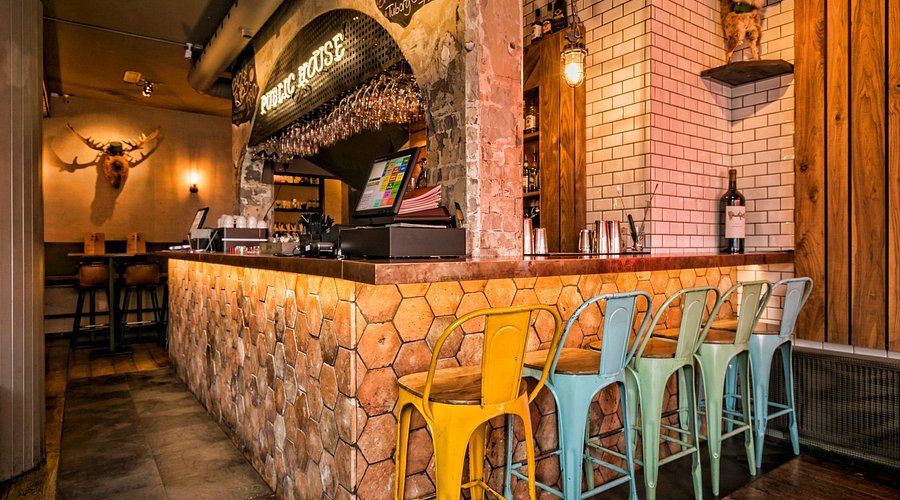
Lighting design, acoustics, seating ergonomics, and bar counter materials shape guest perception and emotional comfort within a venue. Warm, dim ambient lighting and sound-absorbing acoustic elements foster intimate conversation and relaxed dining experiences.
Attentive, knowledgeable bartenders who share spirit stories and drink recommendations create memorable guest connections. Outstanding hospitality turns first-time visitors into loyal regulars.
9. Elevating Liquid Culture and Sustainable Beverage Innovation
Sustaining innovation in mixology and gastropub culture requires embracing sustainable bar practices, minimizing liquid waste, and celebrating regional ingredient heritage. Modern bar programs repurpose spent citrus husks into citrus stocks, dehydrate leftover fruit prep into garnishes, and eliminate single-use plastic straws.
By blending scientific precision, culinary technique, and genuine hospitality, beverage professionals and gastropub operators create vibrant social spaces that nourish communities and celebrate liquid artistry.
Building Community Through Food and Drink Culture
Cocktails and casual gastronomy serve as timeless mediums for bringing people together, sparking conversation, and celebrating culture. Hosting spirits tastings, cocktail masterclasses, and collaborative chef dinners deepens connections with local communities.
Prioritizing continuous learning and adapting to evolving guest preferences ensures your hospitality venture remains vibrant and relevant. Celebrating liquid craftsmanship and culinary passion builds an enduring legacy of hospitality excellence.