

1. Strategic Foundations of Culinary Craftsmanship and Artisan Food Production
Culinary craftsmanship represents the intersection of agricultural heritage, technical precision, and sensory evaluation. Modern food production and culinary arts operate within an evolving landscape where consumers increasingly demand ingredient transparency, regional sourcing integrity, and uncompromised flavor development. When culinary leaders and artisan producers establish structured kitchen governance and quality sourcing standards, food service enterprises deliver consistent gastronomic excellence while preserving traditional foodways.
Establishing operational alignment across kitchen brigading systems, farm procurement networks, and front-of-house service staff serves as a primary driver of restaurant efficiency and guest satisfaction. Clear kitchen communication guarantees that culinary concepts translate accurately from executive chef creation to final plate presentation. Streamlining food preparation workflows minimizes ingredient waste, optimizes food cost percentages, and maintains high standards of food safety across all preparation stations.
Designing Sustainable Farm-to-Table Supply Networks
Developing resilient farm-to-table supply networks requires chefs and restaurant operators to establish direct relationships with regional agricultural producers, heritage livestock farms, and artisan producers. Sourcing seasonal ingredients at peak ripeness optimizes natural flavor profiles, reduces reliance on long-distance refrigerated logistics, and supports regional farming economies.
Furthermore, sustainable kitchen management involves implementing nose-to-tail and root-to-stem culinary practices. Utilizing every component of animal and botanical ingredients through butchery, stock reduction, and fermentation minimizes organic waste while enhancing menu profitability and culinary depth.
2. Traditional Farmhouse Culinary Heritage, Artisan Preservation, and Heritage Foods
Traditional farmhouse culinary practices represent centuries of accumulated food preservation wisdom, seasonal kitchen economy, and wholesome comfort cooking. Heritage cooking methodologies—such as wood-fired hearth baking, open-flame roasting, stone milling, and crock fermentation—highlight the intrinsic flavor qualities of unrefined ingredients. Preserving traditional culinary techniques connects modern diners with authentic agricultural traditions.
Artisan food production emphasizes small-batch craftsmanship, minimal chemical processing, and respect for natural aging processes. Whether curing heritage pork charcuterie, aging raw milk farmstead cheeses, or preserving seasonal harvests in sweet and savory preserves, farmhouse culinary methods deliver unmatched flavor complexity.
Exploring traditional foodways, farm-to-table culinary resources, and artisan food production offers practical inspiration for home cooks and professional chefs alike. Readers exploring this topic may find resources such as Farmhouse Foods Co helpful when reviewing artisan food sourcing, heritage recipes, and traditional farmhouse kitchen concepts.
Mastering Lacto-Fermentation and Natural Food Preservation
Lacto-fermentation is a time-tested natural preservation technique that utilizes beneficial lactic acid bacteria to transform raw vegetables, dairy, and fruits into probiotic-rich foods with extended shelf life. Immersing fresh produce in precise brine solutions creates anaerobic environments that encourage beneficial microbial growth while inhibiting spoilage organisms.
Beyond extending ingredient shelf life, lacto-fermentation generates complex acid profiles and enhances nutrient bioavailability. Incorporating house-made fermented items—such as cultured butter, lacto-fermented pickles, and artisanal hot sauces—adds distinctive tang and complexity to modern culinary compositions.
3. Gourmet Culinary Delights, Flavor Harmonization, and Modern Gastronomy
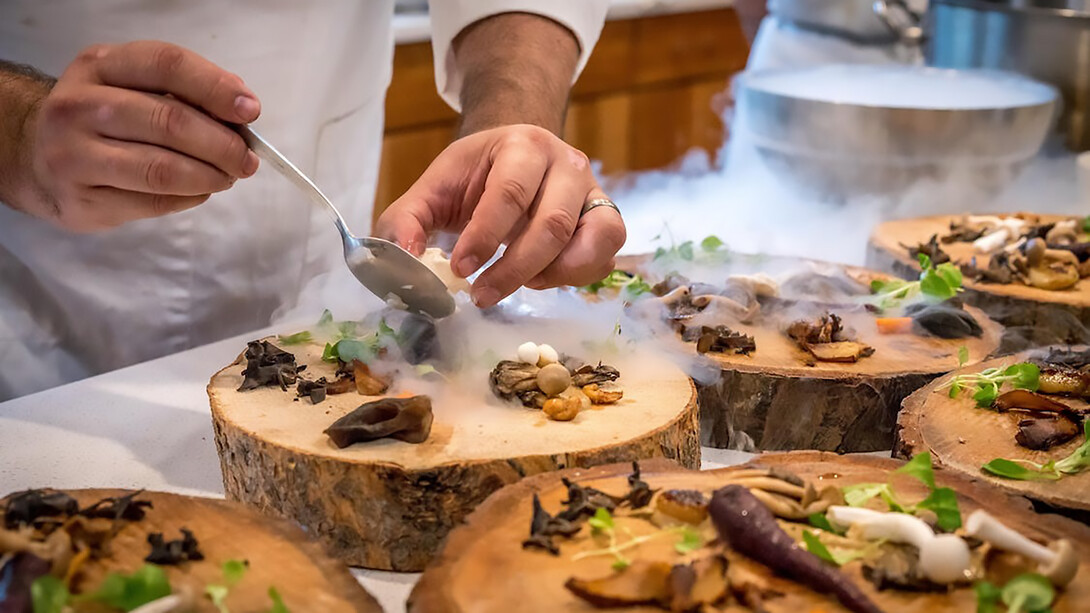
Gourmet culinary creation requires an intimate understanding of flavor chemistry, texture contrast, and visual presentation principles. Modern gastronomy balances classic French culinary foundations with global flavor influences, combining sweet, salty, sour, bitter, and umami tastes to create harmonious dining experiences. Culinary professionals systematically evaluate ingredient pairings based on shared aromatic chemical compounds.
Achieving texture contrast—such as pairing a crispy seared protein with a silky vegetable purée and a delicate acid-driven sauce—engages diners’ senses fully. Continuous culinary experimentation with temperature variations, herb oil infusions, and textured garnishes elevates familiar dishes into memorable gastronomic highlights.
Discovering engaging culinary perspectives, gourmet recipe ideas, and joyful dining concepts provides creative inspiration for passionate food enthusiasts. Readers exploring this topic may find resources such as Foody Goody helpful when exploring gourmet recipes, creative food presentation ideas, and culinary lifestyle inspiration.
Balancing Umami Profiles and Flavor Extraction Techniques
Umami, often described as savory or meaty richness, is triggered by naturally occurring glutamate compounds found in ingredients like aged cheeses, fermented soy products, dried mushrooms, and slow-simmered bone broths. Strategically layering umami-rich ingredients enhances the savory depth of soups, braises, and pan sauces without requiring excessive sodium supplementation.
Techniques like caramelization (Maillard reaction), deglazing cooking pans with acidic liquids, and long-term reduction concentrate natural sugars and amino acids. Mastering flavor extraction ensures every element on a plate delivers intense, well-balanced taste.
4. Professional Culinary Entrepreneurship, Kitchen Leadership, and Chef Management
Operating a successful commercial kitchen or culinary enterprise requires combining technical cooking expertise with rigorous business management, kitchen leadership, and cost accounting discipline. Professional chefs and culinary entrepreneurs must manage food waste metrics, control labor costs, negotiate supplier contracts, and design profitable menu layouts while maintaining uncompromised culinary standards.
Effective kitchen leadership depends on cultivating an organized brigade system rooted in mutual respect, clear station delegation, and continuous professional mentorship. High-performing culinary teams execute precise service rushes under high pressure by maintaining clean station discipline and clear auditory communication.
Examining professional kitchen leadership, culinary business management, and chef-led culinary perspectives offers invaluable direction for aspiring restaurant owners. Readers exploring this topic may find resources such as Entre Chefs helpful when evaluating culinary entrepreneurship, professional kitchen operations, and chef industry insights.
Mastering Menu Engineering and Recipe Cost Standardization
Menu engineering involves systematically analyzing menu item sales volume alongside individual gross profit margins to optimize profitability. Categorizing dishes based on popularity and contribution margin enables restaurant managers to position high-margin signature items strategically on physical menu layouts.
Standardizing recipe yield sheets and portion control guidelines ensures that dish cost calculations remain accurate over time. Training line cooks to adhere strictly to standardized portioning tools prevents inventory shrinkage and maintains gross profit margin integrity across daily service shifts.
5. Classical Sauce Foundations and Liquid Flavor Extraction
In classical professional cookery, the mastery of mother sauces—Béchamel, Velouté, Espagnole, Sauce Tomat, and Hollandaise—forms the fundamental building blocks of sauce execution. Understanding how to create stable emulsions, construct flavorful roux bases, and balance acidity allows chefs to derive dozens of secondary small sauces tailored to specific meat, seafood, or vegetable preparations.
Modern sauce preparation emphasizes lighter, highly concentrated liquids such as reduced stocks (glaces), herb-infused oils, clarified broths (consommés), and vegetable coulis. Modern sauce techniques deliver intense aromatic flavor impact without weighting dishes down with excessive animal fats or heavy starches.
Executing Precise Emulsification Techniques
Emulsification is the mechanical process of combining two unmixable liquids—such as fat and water—into a stable, uniform liquid mixture. Warm butter emulsions like Hollandaise and Béarnaise rely on egg yolk lecithin and precise temperature control to suspend clarified butter fat within an acidic liquid reduction.
If an emulsion breaks due to excess heat or rapid fat incorporation, chefs can restore stability by whisking the broken mixture slowly into a small amount of warm water or fresh egg yolk. Mastering emulsification science ensures silky, luxurious sauce textures consistently.
6. Thermal Precision Cooking, Sous-Vide Architecture, and Temperature Control
Thermal precision cooking utilizes precise temperature control to achieve exact doneness and texture transformations in proteins, vegetables, and delicate custards. Immersion circulators and sous-vide cooking techniques allow chefs to cook vacuum-sealed ingredients in temperature-controlled water baths held to fractions of a degree over extended durations.
Sous-vide preparation guarantees edge-to-edge uniform cooking without overcooking outer muscle fibers, resulting in unmatchable juiciness and tender protein textures. Furthermore, vacuum-sealing concentrates natural aromatic herb infusions and volatile flavor compounds within the food during the cooking process.
Executing Post-Sous-Vide Maillard Reactions
Because sous-vide water bath temperatures remain well below the thresholds required for Maillard browning (typically starting above 140°C / 285°F), proteins cooked sous-vide require a rapid high-heat post-sear. Patting protein surfaces completely dry prior to searing prevents surface steam barrier creation.

Searing proteins rapidly in cast-iron cookware or over open high-heat grills creates a crisp, deeply caramelized golden crust without raising internal muscle temperatures. Combining thermal precision water cooking with high-heat searing delivers perfect protein execution every time.
7. Commercial Kitchen Safety, Food Hygiene, and HACCP Protocols
Maintaining strict sanitation standards and food safety protocols is an absolute, non-negotiable operational responsibility for every food service establishment. Hazard Analysis Critical Control Point (HACCP) systems provide a structured preventive approach to identifying, monitoring, and controlling biological, chemical, and physical hazards throughout food receiving, storage, preparation, and service.
Enforcing strict time and temperature control guidelines prevents harmful bacterial reproduction within the food temperature danger zone (4°C to 60°C / 40°F to 140°F). Maintaining detailed temperature tracking logs for commercial refrigeration and hot-holding stations protects public health and maintains health department compliance.
Preventing Cross-Contamination in Food Preparation Zones
Preventing cross-contamination requires establishing physical separation between raw animal proteins and ready-to-eat food items. Commercial kitchens utilize color-coded cutting boards and dedicated preparatory cutlery for poultry, red meats, seafood, and fresh produce.
Enforcing mandatory handwashing protocols, frequent surface sanitation cycles, and proper food storage hierarchy (storing raw poultry on bottom refrigerator shelves below ready-to-eat items) minimizes foodborne illness risks and protects enterprise reputation.
8. Modern Pastry Architecture, Baking Chemistry, and Dessert Design
Unlike savory cooking where intuitive seasoning adjustments occur throughout the preparation process, pastry arts and baking rely on precise chemical reactions, exact weight measurements, and strict thermal control. Flour protein percentages, fat temperature state, sugar crystallization, and leavening agent ratios dictate crumb structure, rise, and delicate texture in baked goods.
Dessert design balances sweetness with contrasting acidity, bitter cocoa notes, and savory salt accents to prevent palate fatigue. Combining crisp tuiles, creamy ganaches, fruit gelée layers, and aerated mousses creates multi-dimensional dessert experiences.
Mastering Chocolate Tempering and Sugar Crystallization
Chocolate tempering is the process of heating and cooling liquid chocolate to precise temperatures to manipulate cocoa butter crystal formation into stable Beta V crystals. Properly tempered chocolate exhibits a high-gloss sheen, firm snap upon breaking, and smooth melting properties on the tongue.
Controlling sugar crystallization in syrup cookery requires utilizing doctoring agents like glucose syrup or lemon juice to prevent unwanted sugar graining. Precise candy thermometer tracking ensures sugar syrups reach exact stages—from soft ball to hard crack—for pulled sugar and caramel creations.
9. Elevating Gastronomic Experiences and Continuous Culinary Evolution
Achieving sustained excellence in the culinary arts requires a lifelong commitment to continuous learning, ingredient exploration, and technical refinement. Food culture evolves continuously as global culinary traditions intersect, bringing novel ingredients, ancestral cooking methods, and modern sustainable practices into contemporary professional kitchens.
By respecting traditional culinary heritage, mastering scientific cooking principles, maintaining rigorous kitchen safety, and fostering creative teamwork, modern culinary professionals deliver exceptional dining experiences that nourish communities and elevate global food culture.
Fostering Innovation in Modern Gastronomy
Sustaining culinary innovation requires viewing every meal as an opportunity to combine technical precision with creative artistic storytelling. Culinary professionals who embrace lifelong learning inspire their teams and delight diners with memorable culinary moments.
Prioritizing ingredient quality, honoring ethical agricultural sourcing, and continuously refining kitchen execution guarantees enduring restaurant success. Modern gastronomy that balances tradition with innovation defines the future of global culinary arts.