
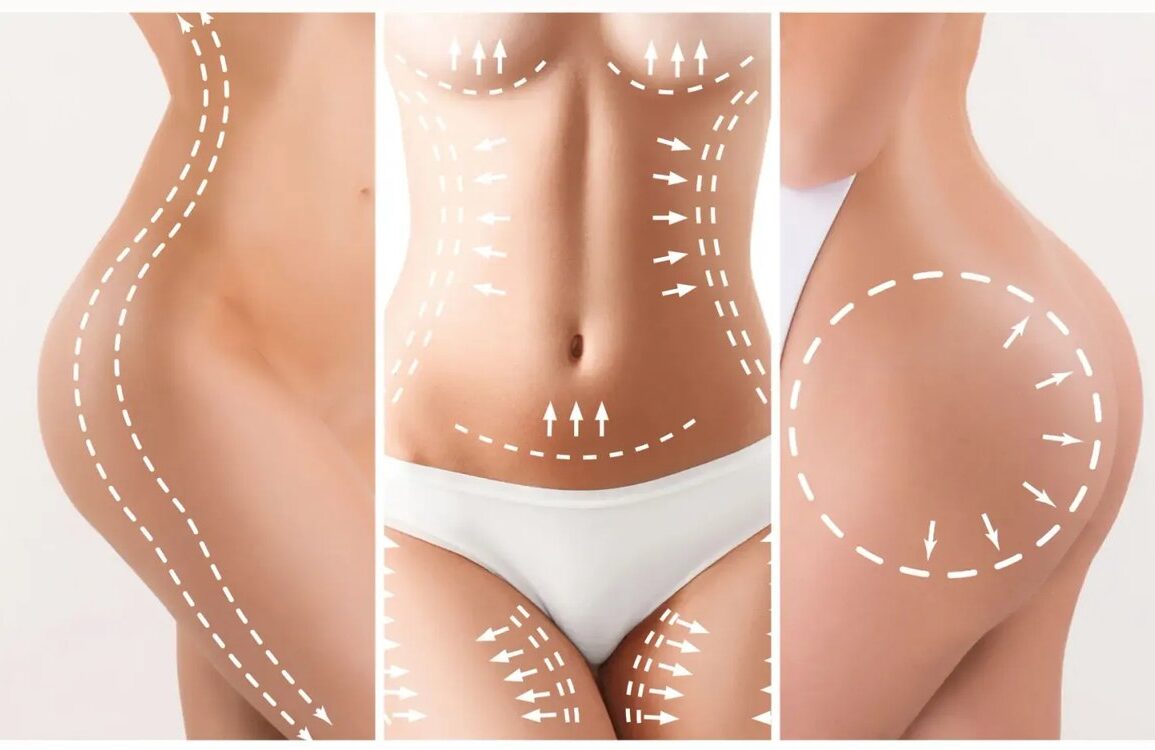

One line in a Houston practice’s Brazilian butt lift guidance deserves more attention than any before-and-after photo. A BBL performed incorrectly, the practice warns, can put a patient at higher risk for a range of side effects. The practical response is a consultation built around questions, and the practice’s own material suggests which ones to ask.
The guidance comes from the practice of Leo Lapuerta, MD, FACS, a triple board certified plastic surgeon who performs Brazilian butt lift surgery in the Houston area. The practice says he was one of the first plastic surgeons in the region to offer the procedure. The questions below draw on the safety points his practice makes, along with facts about where and how he operates.
Questions about the surgeon and the room
How much BBL experience do you have?
The practice’s advice is to choose a surgeon with specific experience in Brazilian butt lift surgery, and its FAQ adds that the surgeon should have special expertise in the procedure. Ask for a number of cases and a number of years. Dr. Lapuerta has more than 30 years of experience overall and more than 30,000 procedures, surgical and non-surgical, and in his view that kind of record, paired with board certification, is the best predictor of an outcome patients are happy with.
Where will the operation happen?
A BBL at this practice is an outpatient procedure performed under general anesthesia in an accredited surgical facility. Dr. Lapuerta owns and operates a QuadA (AAAASF) accredited facility. Ask any surgeon you meet which body accredits their operating room.
Who will manage the anesthesia?
Dr. Lapuerta works with physician anesthesiologists and does not use nurse anesthetists or anesthesia assistants. The question is fair to put to any practice, since the answer varies from one office to the next.
Questions about your own body
Am I a candidate?
The practice describes the ideal candidate as someone in good physical health, with enough fat for liposuction and skin with good elasticity and minimal sagging. Before surgery, the doctor performs a physical exam and reviews the patient’s medical history. Patients with a BMI under 25 may be candidates for a so-called skinny BBL, in which the surgeon looks for fat in the thighs, back or trunk, and the added volume may be smaller.
What should I stop doing before surgery?
Smoking comes first on the list. The practice asks smokers to quit for 4 to 6 weeks before surgery, because nicotine constricts blood vessels and can reduce the blood supply that transferred fat cells need. Quitting also lowers the risk of blood clots, infections and other complications, and the practice advises staying off cigarettes for at least six weeks after surgery as well.
Patients also hear instructions to avoid alcohol for several weeks before and after surgery, and the doctor may ask them to stop certain medications or herbal supplements that could interfere with the operation.
Questions about the hours and weeks after
How long will the surgery take?
About three to six hours, according to the practice, depending on how many donor sites the surgeon uses and how many layers of fat it takes to reach the planned fullness.
When can I sit and sleep on my back?
Dr. Lapuerta recommends that patients stay off their buttocks and rest on their stomachs for 2 to 6 weeks so the transferred fat has the best chance to take. Drawing on his experience, the practice says the best results come when patients stay off the buttocks for the full six weeks. For a few weeks, patients may use a special cushion that spreads pressure while sitting, and they should avoid direct pressure on the area until it has healed.

When can I move, exercise and go back to work?
The first few days are the hardest, and rest matters, but the practice also encourages patients to get up and move as they can. Walking can start within a few days. Strenuous exercise waits for the doctor’s clearance, which the practice puts at around six weeks. Most patients return to work and everyday life after 4 to 6 weeks, and the body takes about three months to adjust to its new contour.
During recovery, patients wear a compression garment and keep the incisions clean to avoid infection. Swelling and bruising appear in both the donor areas and the buttocks and lessen over time.
Questions about the result
Ask how much of the transferred fat to expect to keep. The practice states that not every fat cell survives, which reduces the initial size somewhat, and that the shape changes for a few months as the fat settles. Swelling goes down by around six weeks, and final results can take three to six months to appear.
Ask about smoothness too. The practice’s answer is that injections done the right way look and feel natural, and that additional liposuction during surgery can help even out the surface. Weight swings can compromise the outcome, so the last question belongs to the patient: whether a stable weight and regular exercise are realistic for the years that follow.
This article is for general information only and is not medical advice. Results vary from patient to patient. Consult a board-certified plastic surgeon or your physician about your own situation. Written in partnership with Joseph Lambert, a publicist working with Leo Lapuerta, MD Plastic Surgery.