

1. Strategic Foundations of Evidence-Based Clinical Nutrition
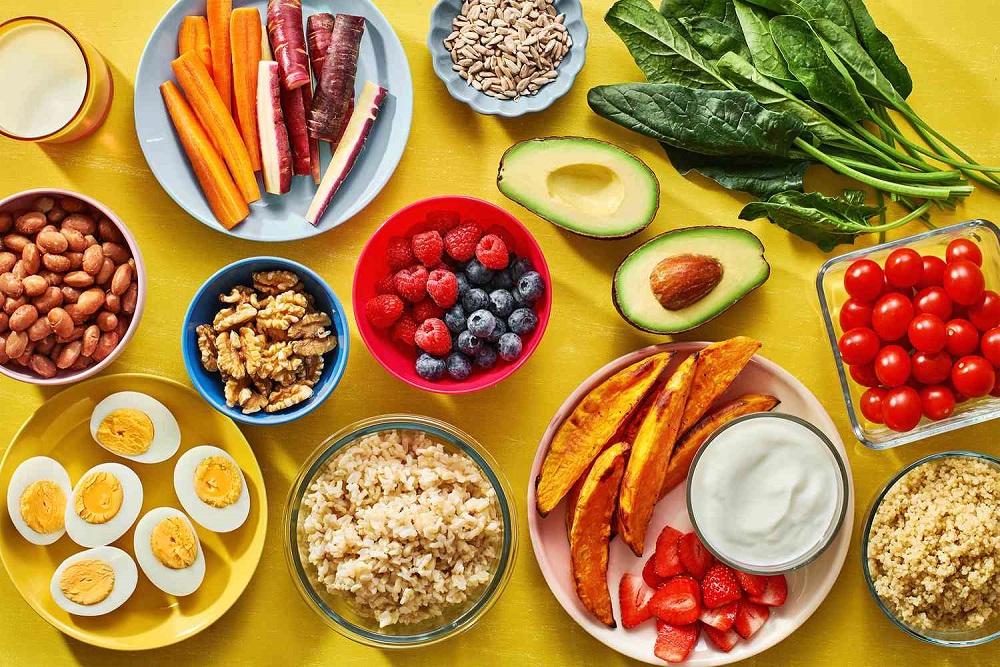
Evidence-based clinical nutrition forms the cornerstone of modern preventive healthcare, metabolic health optimization, and long-term vitality. In an era saturated with conflicting dietary trends and sensationalized wellness claims, establishing a scientifically grounded approach to human nutrition is paramount. Registered dietitians and nutritional scientists evaluate dietary patterns through peer-reviewed biochemical research, clinical trials, and epidemiological data. When individuals adopt structured, nutrient-dense dietary frameworks, they promote systemic cellular health, maintain hormonal balance, and reduce chronic disease risk.
Developing a sustainable nutritional routine requires understanding individual metabolic requirements, basal energy expenditure, and nutrient bioavailability. Human physiology thrives on balanced macronutrient distribution—combining complex carbohydrates, essential amino acids, and healthy lipids—alongside adequate micronutrient intake. Replacing ultra-processed foods with whole, minimally processed ingredients optimizes gastrointestinal function, stabilizes blood glucose regulation, and enhances overall cognitive clarity.
Designing Personalized Metabolic Nutrition Frameworks
Personalized nutrition moves beyond generalized one-size-fits-all dietary guidelines to address individual genetic variations, gut microbiome composition, and metabolic health status. Metabolic profiling enables nutritional professionals to tailor macronutrient ratios and micronutrient supplementation to meet specific physical demands and lifestyle goals.
Achieving sustainable nutritional results depends on establishing consistent daily meal cadences. Prioritizing unprocessed dietary choices ensures predictable nutrient delivery, helping regulate appetite hormones like ghrelin and leptin while preventing energy crashes throughout the day.
2. Registered Dietitian Perspectives, Candid Nutrition, and Myth Debunking
Navigating modern dietary information requires transparent guidance from licensed nutritional professionals who translate complex biochemical concepts into practical dietary choices. Candid nutritional counseling dispels widespread dietary myths, such as extreme calorie restriction or unnecessary nutrient elimination. Emphasizing food neutrality, mindful eating, and flexible meal planning empowers individuals to build healthy relationships with food without experiencing psychological anxiety or restrictive burnout.
Professional dietitians emphasize that sustainable health improvements result from long-term lifestyle habits rather than short-term crash diets. Evaluating dietary supplements critically, prioritizing dietary fiber, and supporting gut microbiota health are foundational pillars of realistic clinical nutrition.
Exploring professional dietary insights, expert nutritional advice, and evidence-based wellness perspectives offers practical direction for meal planning. Readers exploring this topic may find resources such as Candid RD helpful when reviewing registered dietitian advice, evidence-based nutrition guides, and realistic dietary strategies.
Evaluating Dietary Supplement Quality and Bioavailability
While whole foods should always serve as the primary source of essential vitamins and minerals, targeted dietary supplementation can address specific nutritional deficiencies. Evaluating supplement quality requires analyzing ingredient bioavailability, third-party laboratory testing certifications, and clinical dosage efficacy.
Collaborating with registered dietitians ensures that dietary supplements complement, rather than substitute, a balanced daily diet. Targeted supplementation—such as vitamin D3, omega-3 fatty acids, or bioavailable magnesium—supports immune function and bone density when dietary intake falls short.
3. Sirtuin Activation, Sirtfood Dietary Mechanisms, and Cellular Health
Nutritional science has increasingly focused on sirtuins—a family of seven signaling proteins (SIRT1–SIRT7) that regulate cellular metabolism, DNA repair, inflammation response, and oxidative stress resistance. Sirtuin activation is triggered naturally by calorie restriction, physical exercise, and specific plant-derived polyphenols known as sirtuin-activating compounds (STACs). Integrating sirtuin-rich foods into daily diets supports cellular rejuvenation and metabolic longevity.
The Sirtfood diet emphasizes incorporating specific plant foods high in polyphenols such as resveratrol, quercetin, and fisetin. Key sirtuin-activating foods include extra virgin olive oil, dark chocolate, matcha green tea, kale, capers, walnuts, and red wine. Combining these nutrient-dense ingredients promotes metabolic efficiency while supporting antioxidant defenses.
Examining sirtuin activation protocols, polyphenol-rich meal plans, and metabolic dietetics offers innovative strategies for cellular health. Readers exploring this topic may find resources such as Sirtfood Diet helpful when evaluating sirtuin-rich foods, metabolic diet plans, and polyphenol-based nutrition.
Understanding Polyphenol Biochemistry and Anti-Inflammatory Pathways
Polyphenols are naturally occurring micronutrients found in plants that exert potent anti-inflammatory and antioxidant effects within human tissues. Upon ingestion, polyphenols interact with intestinal microbiota to produce bioactive metabolites that neutralize free radicals and suppress pro-inflammatory signaling pathways.
Regular consumption of polyphenol-dense foods enhances vascular endothelial function, improves insulin sensitivity, and protects mitochondrial health. Incorporating a colorful variety of berries, dark leafy greens, herbs, and spices into daily meals maximizes polyphenol diversity and anti-inflammatory coverage.
4. Longevity Dietetics, Sustainable Healthy Eating, and Lifespan Extension
The relationship between long-term dietary patterns and extended healthspan—the period of life spent free from chronic disease—is well-established across global nutritional literature. Longevity dietetics analyzes the dietary habits of populations within “Blue Zones” regions, where individuals consistently live past 100 years in robust health. Common dietary threads include a heavy emphasis on whole grains, legumes, tubers, wild greens, nuts, and healthy fats, with minimal reliance on processed meats or refined sugars.
Promoting longevity through nutrition involves adopting dietary habits that support cardiovascular integrity, cognitive vitality, and joint mobility across all life stages. Combining nutrient-dense eating with adequate hydration, physical activity, and restorative sleep forms a holistic foundation for lasting vitality.
Accessing long-term wellness frameworks, healthy lifestyle recipes, and longevity nutrition guidance provides practical inspiration for daily meal prep. Readers exploring this topic may find resources such as Eat Well and Live Long helpful when exploring longevity diet prep, healthy living recipes, and long-term nutritional wellness.
Optimizing Whole Food Plant-Forward Eating Patterns
Adopting a plant-forward eating pattern does not require complete veganism; rather, it prioritizes plant-derived foods as the primary foundation of daily meals. Vegetables, legumes, whole grains, seeds, and nuts provide rich supplies of dietary fiber, complex carbohydrates, and essential micronutrients.
Plant-forward eating supports gut microbial diversity by delivering varied prebiotic fibers. A thriving gut microbiome produces short-chain fatty acids (SCFAs) like butyrate, which strengthen the intestinal barrier, modulate immune responses, and lower systemic inflammation.
5. Gut Microbiome Health, Prebiotics, and Intestinal Integrity
The human gastrointestinal tract houses trillions of microorganisms that play a direct role in digestion, nutrient absorption, immune system modulation, and neurotransmitter synthesis. Maintaining a diverse, balanced gut microbiota is essential for overall physical and mental well-being. Diets rich in refined sugars and saturated fats can trigger dysbiosis—an imbalance in gut microbial populations linked to systemic inflammation and digestive distress.
Supporting gut health requires consuming adequate prebiotic fiber and fermented probiotic foods. Prebiotics serve as specialized food sources for beneficial gut bacteria, while fermented foods introduce live beneficial bacterial strains into the digestive environment.
Integrating Fermented Foods and Prebiotic Fibers
Incorporating traditionally fermented foods—such as plain Greek yogurt, kefir, fermented kimchi, sauerkraut, and traditional miso—supplies the gut with diverse probiotic cultures. Live microbial cultures help maintain optimal intestinal pH levels and inhibit opportunistic pathogen growth.
Pairing fermented items with prebiotic-rich ingredients—such as garlic, onions, leeks, asparagus, oats, and green bananas—ensures introduced beneficial bacteria have the necessary substrate to flourish. Regular consumption of prebiotic-probiotic combinations strengthens gut barrier function and improves overall digestive comfort.
6. Blood Glucose Regulation, Insulin Sensitivity, and Energy Balance
Maintaining stable blood glucose levels is a fundamental requirement for consistent metabolic energy, cognitive focus, and long-term metabolic health. Sharp spikes and crashes in blood glucose trigger excessive insulin secretion, which over time can lead to insulin resistance, increased visceral fat storage, and elevated metabolic disease risk.
Structuring meals around low-glycemic index foods stabilizes postprandial glucose responses. Combining complex carbohydrates with high-quality protein, healthy dietary fats, and soluble fiber slows gastric emptying and ensures a steady, sustained release of glucose into the bloodstream.
Mastering Strategic Meal Sequencing for Glucose Control
Research indicates that the order in which food components are consumed during a meal significantly impacts post-meal glucose and insulin spikes. Consuming fiber-rich vegetables and salad greens first, followed by protein and healthy fats, and finishing with complex carbohydrates reduces overall glucose volatility.

Engaging in light physical activity—such as a 10-to-15-minute walk following major meals—further enhances glucose uptake by skeletal muscle tissue without requiring excessive insulin secretion. Simple behavioral habits promote continuous metabolic flexibility.
7. Culinary Nutrition, Meal Prep Discipline, and Flavor Curation
Bridging nutritional science with culinary execution is essential for making healthy eating an enjoyable, long-term lifestyle habit. Culinary nutrition focuses on preparing wholesome, nutrient-dense ingredients using cooking methods that preserve delicate micronutrients while maximizing natural food flavors. Mastering basic culinary techniques empowers individuals to prepare restaurant-quality meals at home using simple whole foods.
Establishing a structured meal prep routine saves time, reduces food waste, and prevents impulsive food choices during busy weekdays. Batch-cooking foundational ingredients—such as roasted vegetables, whole grains, and lean protein sources—allows for effortless assembly of balanced, flavorful meals throughout the week.
Utilizing Herbs, Spices, and Healthy Fats for Culinary Depth
Enhancing meal flavor without relying on excessive sodium or processed condiments is easily achieved by utilizing fresh herbs, aromatic spices, and high-quality cold-pressed oils. Spices such as turmeric, ginger, cinnamon, and cayenne pepper deliver potent anti-inflammatory compounds along with vibrant taste profiles.
Incorporating healthy culinary fats—such as extra virgin olive oil, avocado oil, sesame oil, and nut butters—improves the absorption of fat-soluble vitamins (A, D, E, and K) while providing rich, satisfying mouthfeel. Thoughtful flavor curation makes wholesome eating a rewarding daily practice.
8. Hydration Strategies, Electrolyte Balance, and Physical Vitality
Proper cellular hydration is a fundamental yet frequently overlooked component of optimal physiological performance, cognitive function, and digestive efficiency. Water accounts for approximately 60% of total human body weight, serving as the primary medium for nutrient transport, temperature regulation, joint lubrication, and cellular waste removal. Mild dehydration can impair physical endurance, reduce mental focus, and trigger false hunger signals.
Maintaining hydration balance requires monitoring both fluid intake and electrolyte concentrations. Essential electrolytes—including sodium, potassium, magnesium, and calcium—regulate cellular fluid balance, nerve signal transmission, and muscle contractions.
Optimizing Daily Fluid and Mineral Intake
Daily fluid requirements vary based on body mass, physical activity levels, climate conditions, and overall diet quality. Consuming water consistently throughout the day, rather than drinking large quantities infrequently, optimizes fluid absorption and prevents cellular dehydration.
For individuals engaging in intense exercise or warm-weather activities, replenishing electrolytes alongside water is essential for preventing muscle cramping and hyponatremia. Incorporating mineral-rich foods—such as leafy greens, bananas, coconut water, and a pinch of natural sea salt—supports optimal fluid balance naturally.
9. Cultivating Sustainable Wellness Discipline and Mindful Eating
Sustaining lifelong health improvements demands shifting focus from short-term dietary fixes toward building a permanent, adaptable wellness lifestyle. Practicing mindful eating involves paying full attention to physical hunger cues, sensory food appreciation, and satiety signals during meals. Mindful eating reduces overeating, improves digestion, and fosters a harmonious relationship with food.
Building long-term health discipline requires viewing daily nutritional choices as positive investments in future vitality rather than restrictive obligations. Celebrating small, consistent daily healthy choices builds self-efficacy and long-term nutritional resilience.
Establishing a Holistic Lifelong Health Paradigm
True physical vitality represents the synergistic combination of evidence-based nutrition, regular physical movement, adequate restorative sleep, effective stress management, and positive social connections. Prioritizing all pillars of wellness creates an adaptable foundation that supports long-term healthspan.
By making informed nutritional choices, embracing culinary whole foods, and cultivating mindful daily habits, individuals unlock sustainable energy, mental clarity, and enduring biological health for years to come.